Buy internetopleidingen.be ?
We are moving the project
internetopleidingen.be .
Are you interested in purchasing the domain
internetopleidingen.be ?
domain@kv-gmbh.de · 0541-91531010
Buy internetopleidingen.be ?
What is a church reformer?
A church reformer is an individual who seeks to bring about changes within a religious institution, typically to address perceived corruption, abuses, or deviations from the original teachings of the faith. These reformers often challenge the existing hierarchy and traditions of the church in order to promote a return to the core beliefs and practices of the religion. Church reformers can be found in various denominations and time periods throughout history, with notable examples including Martin Luther in the Protestant Reformation and Pope Francis in modern Catholicism. **
Was Martin Luther a revolutionary or a reformer?
Martin Luther can be seen as both a revolutionary and a reformer. He was a revolutionary in the sense that he sparked a major religious and social upheaval with his criticisms of the Catholic Church and his calls for reform. His actions led to the Protestant Reformation, which fundamentally changed the religious landscape of Europe. At the same time, Luther can also be considered a reformer because he sought to address what he saw as corruption and abuses within the Church, rather than seeking to overthrow it entirely. Ultimately, Luther's actions had revolutionary effects on the Church and society, but his intentions were rooted in the desire to reform the existing system. **
Similar search terms for Reformer
Top-Angebote
Products related to Reformer:
-
Was Martin Luther a revolutionary or a reformer of the church?
Martin Luther can be seen as both a revolutionary and a reformer of the church. He was a revolutionary in the sense that he challenged the established authority of the Catholic Church and sparked a major religious and social movement with the Protestant Reformation. At the same time, Luther was also a reformer, as he sought to address what he saw as corruption and abuses within the church and to bring about positive change through his teachings and writings. Ultimately, Luther's actions and ideas had a profound and lasting impact on the church, leading to significant changes in religious practice and belief. **
-
To what extent was Freud a liberal reformer and Marx a radical revolutionary?
Freud can be seen as a liberal reformer due to his emphasis on individual freedom and the importance of understanding and addressing psychological issues. He advocated for the liberation of individuals from the constraints of societal norms and the exploration of the unconscious mind. On the other hand, Marx was a radical revolutionary who sought to completely overhaul the capitalist system and establish a classless society. He called for the working class to rise up and overthrow the bourgeoisie, leading to a complete restructuring of the economic and social order. While both Freud and Marx sought change, Marx's vision was more radical and revolutionary compared to Freud's emphasis on individual liberation within the existing societal framework. **
-
How could the structure of a presentation about Martin Luther, the reformer, look like?
A presentation about Martin Luther could begin with an introduction to his early life and the historical context of the Protestant Reformation. The main body of the presentation could then focus on Luther's key beliefs and teachings, such as his opposition to the sale of indulgences and his emphasis on salvation through faith alone. This could be followed by a discussion of Luther's impact on the church and society, including the spread of Protestantism and the development of new religious and political movements. The presentation could conclude with an overview of Luther's legacy and lasting influence on Christianity and Western civilization. **
-
Are entire modules completed in training courses?
In most training courses, modules are typically completed one at a time. Each module covers a specific topic or skill set, allowing participants to focus on mastering that particular area before moving on to the next module. This approach helps ensure that participants have a solid understanding of each concept before progressing through the course. Additionally, completing modules sequentially can help build a strong foundation of knowledge and skills that can be applied in later modules. **
Are there also modules that can be taken together with other courses of study?
Yes, there are modules that can be taken together with other courses of study. These modules are often designed to complement the main course of study and provide students with additional knowledge and skills in a specific area. Taking these additional modules can enhance a student's learning experience and make them more well-rounded in their chosen field. Students should consult with their academic advisors to determine which modules would be most beneficial to their overall academic goals. **
To the students: Tutorials?
Tutorials are a valuable resource for students to deepen their understanding of course material, ask questions, and receive personalized assistance. They provide an opportunity for students to clarify any confusion, work through challenging concepts, and receive feedback on their progress. Attending tutorials can help students stay on track with their studies, improve their academic performance, and build a strong foundation for future learning. It is recommended for students to take advantage of tutorials as a way to enhance their overall educational experience. **
Top-Angebote
Products related to Reformer:
-
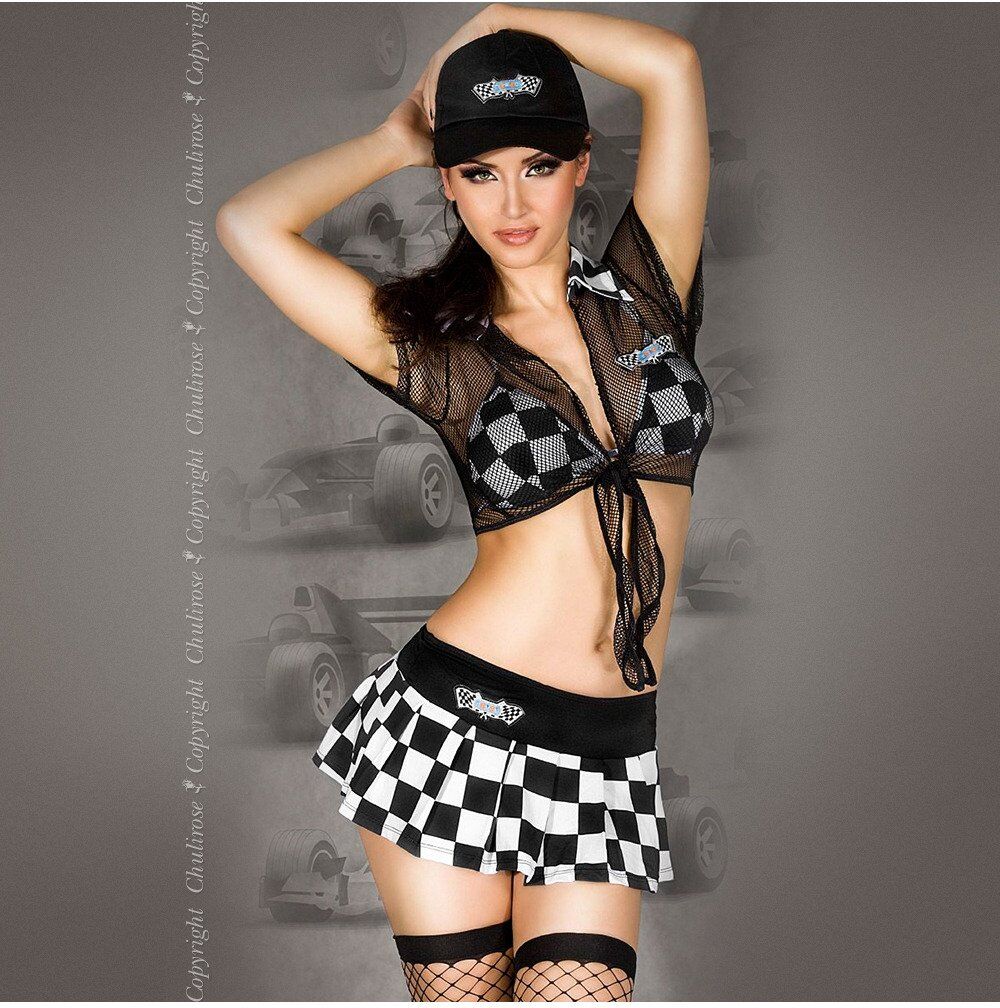
Chilirose Fantaisie de jeune fille des courses CR-3326Apportez une note pétillante à vos soirées avec cette fantaisie de jeune fille des courses CR-3326 🖤.Style et détailsCe costume complet se compose d'un bonnet, d'un soutien-gorge, d'un top, d'une jupe, d'un string et de bas, offrant une allure à la fois coquette et espiègle. La coupe épouse40,79 €*Shipping: 0,00 €Secure redirect to the provider
-
What is a church reformer?
A church reformer is an individual who seeks to bring about changes within a religious institution, typically to address perceived corruption, abuses, or deviations from the original teachings of the faith. These reformers often challenge the existing hierarchy and traditions of the church in order to promote a return to the core beliefs and practices of the religion. Church reformers can be found in various denominations and time periods throughout history, with notable examples including Martin Luther in the Protestant Reformation and Pope Francis in modern Catholicism. **
-
Was Martin Luther a revolutionary or a reformer?
Martin Luther can be seen as both a revolutionary and a reformer. He was a revolutionary in the sense that he sparked a major religious and social upheaval with his criticisms of the Catholic Church and his calls for reform. His actions led to the Protestant Reformation, which fundamentally changed the religious landscape of Europe. At the same time, Luther can also be considered a reformer because he sought to address what he saw as corruption and abuses within the Church, rather than seeking to overthrow it entirely. Ultimately, Luther's actions had revolutionary effects on the Church and society, but his intentions were rooted in the desire to reform the existing system. **
-
Was Martin Luther a revolutionary or a reformer of the church?
Martin Luther can be seen as both a revolutionary and a reformer of the church. He was a revolutionary in the sense that he challenged the established authority of the Catholic Church and sparked a major religious and social movement with the Protestant Reformation. At the same time, Luther was also a reformer, as he sought to address what he saw as corruption and abuses within the church and to bring about positive change through his teachings and writings. Ultimately, Luther's actions and ideas had a profound and lasting impact on the church, leading to significant changes in religious practice and belief. **
-
To what extent was Freud a liberal reformer and Marx a radical revolutionary?
Freud can be seen as a liberal reformer due to his emphasis on individual freedom and the importance of understanding and addressing psychological issues. He advocated for the liberation of individuals from the constraints of societal norms and the exploration of the unconscious mind. On the other hand, Marx was a radical revolutionary who sought to completely overhaul the capitalist system and establish a classless society. He called for the working class to rise up and overthrow the bourgeoisie, leading to a complete restructuring of the economic and social order. While both Freud and Marx sought change, Marx's vision was more radical and revolutionary compared to Freud's emphasis on individual liberation within the existing societal framework. **
Similar search terms for Reformer
-
How could the structure of a presentation about Martin Luther, the reformer, look like?
A presentation about Martin Luther could begin with an introduction to his early life and the historical context of the Protestant Reformation. The main body of the presentation could then focus on Luther's key beliefs and teachings, such as his opposition to the sale of indulgences and his emphasis on salvation through faith alone. This could be followed by a discussion of Luther's impact on the church and society, including the spread of Protestantism and the development of new religious and political movements. The presentation could conclude with an overview of Luther's legacy and lasting influence on Christianity and Western civilization. **
-
Are entire modules completed in training courses?
In most training courses, modules are typically completed one at a time. Each module covers a specific topic or skill set, allowing participants to focus on mastering that particular area before moving on to the next module. This approach helps ensure that participants have a solid understanding of each concept before progressing through the course. Additionally, completing modules sequentially can help build a strong foundation of knowledge and skills that can be applied in later modules. **
-
Are there also modules that can be taken together with other courses of study?
Yes, there are modules that can be taken together with other courses of study. These modules are often designed to complement the main course of study and provide students with additional knowledge and skills in a specific area. Taking these additional modules can enhance a student's learning experience and make them more well-rounded in their chosen field. Students should consult with their academic advisors to determine which modules would be most beneficial to their overall academic goals. **
-
To the students: Tutorials?
Tutorials are a valuable resource for students to deepen their understanding of course material, ask questions, and receive personalized assistance. They provide an opportunity for students to clarify any confusion, work through challenging concepts, and receive feedback on their progress. Attending tutorials can help students stay on track with their studies, improve their academic performance, and build a strong foundation for future learning. It is recommended for students to take advantage of tutorials as a way to enhance their overall educational experience. **
* All prices are inclusive of VAT and, if applicable, plus shipping costs. The offer information is based on the details provided by the respective shop and is updated through automated processes. Real-time updates do not occur, so deviations can occur in individual cases. ** Note: Parts of this content were created by AI.